Ecosystem Restoration and Mitigation Services
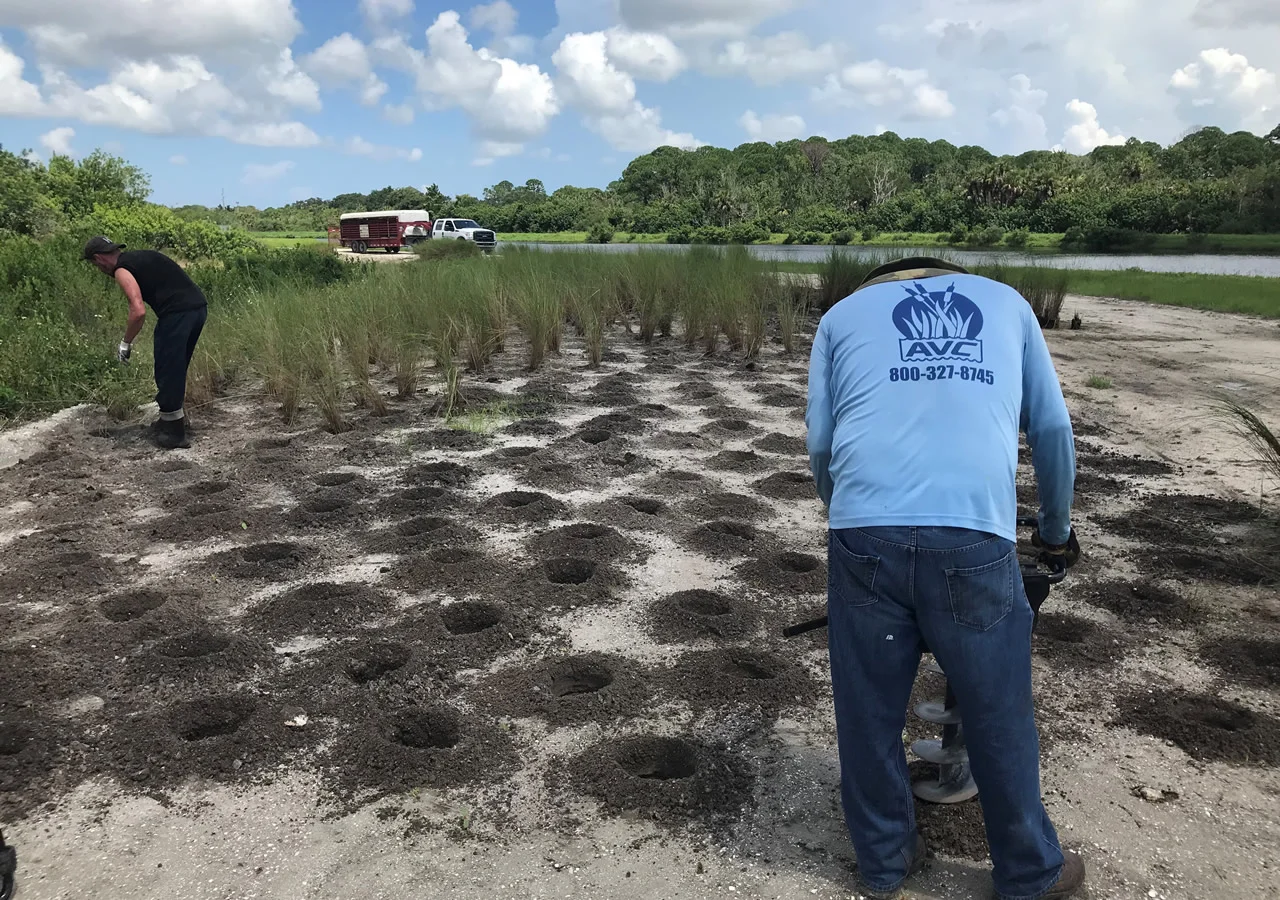
AVC delivers innovative ecosystem restoration and mitigation services to revitalize degraded landscapes and wetlands, guided by sustainable ecological principles. Our team of certified specialists focuses on eliminating invasive species, reintroducing native plants, and restoring critical biological processes such as water flow and nutrient cycling to promote resilient, thriving ecosystems. Invasive species and environmental degradation disrupt biodiversity, impair habitat quality, and threaten ecosystem stability. We deliver targeted services, including management and monitoring plan preparation, native plant installation, invasive plant maintenance, and wetland construction, across diverse systems, including:
List of Serviceable Areas:
- Degraded Wetlands and Marshes
- Riparian Zones and Streambanks
- Coastal and Estuarine Habitats
- Grasslands and Prairies
- Forested Uplands and Woodlands
- Urban Green Spaces
- Agricultural Reclamation Sites
- Mining and Quarry Reclamation Areas
- Wildlife Corridors and Habitat Linkages
- Constructed Wetlands for Mitigation
- Floodplain Restoration Areas
- Public Parks and Nature Preserves
- River and Lake Shorelines
- And More!
Detailed Service Options:
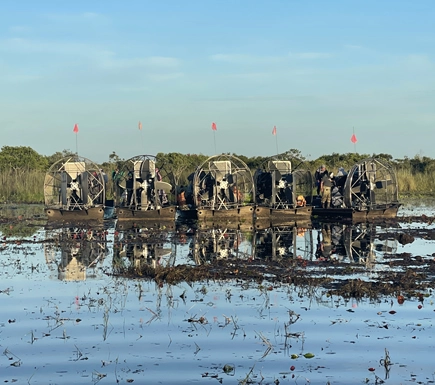
- Degraded Wetlands and Marshes: Restoring hydrological function and native plant communities to revitalize wetlands impacted by invasive species or development.
- Riparian Zones and Streambanks: Replanting native vegetation and stabilizing soils along rivers and streams to enhance water quality and habitat connectivity.
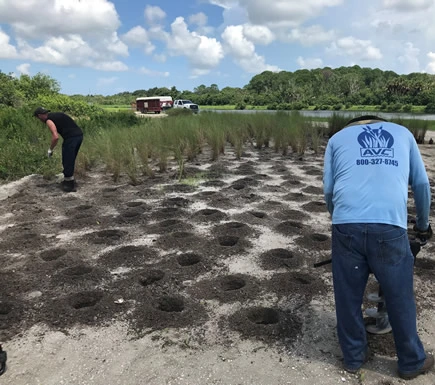
- Coastal and Estuarine Habitats: Managing invasive plants and restoring native species in coastal areas to protect critical habitats and improve resilience to erosion.
- Grasslands and Prairies: Reintroducing native grasses and forbs to restore biodiversity and support pollinators in degraded grassland ecosystems.
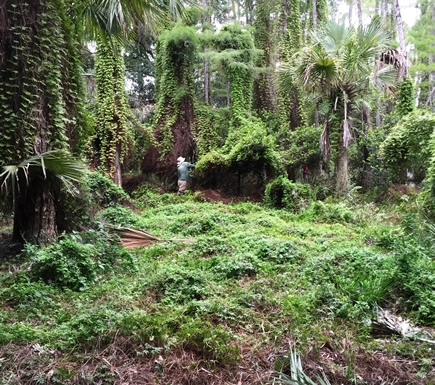
- Forested Uplands and Woodlands: Clearing invasive species and replanting native trees to promote forest health and ecological balance.
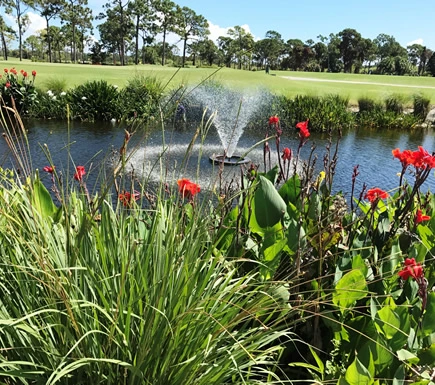
- Urban Green Spaces: Transforming degraded urban sites into vibrant ecosystems through invasive species removal and native plant installation.
- Agricultural Reclamation Sites: Restoring former farmland to natural habitats by managing invasive plants and reintroducing native species to enhance biodiversity.
- Mining and Quarry Reclamation Areas: Rehabilitating disturbed landscapes by stabilizing soils and planting native species to restore ecological function.
- Wildlife Corridors and Habitat Linkages: Enhancing connectivity between habitats by removing invasive plants and establishing native vegetation to support wildlife movement.
- Constructed Wetlands for Mitigation: Designing and maintaining wetlands to offset environmental impacts, ensuring functional ecosystems with native flora.
- Floodplain Restoration Areas: Restoring natural water flow and native plant communities in floodplains to reduce flooding risks and enhance habitat quality.
- Public Parks and Nature Preserves: Managing invasive species and restoring native ecosystems in parks and preserves to enhance public enjoyment and ecological health.
- River and Lake Shorelines: Stabilizing shorelines with native plants to prevent erosion and improve water quality and aquatic habitats.