Aquatic & Wetland Vegetation Control
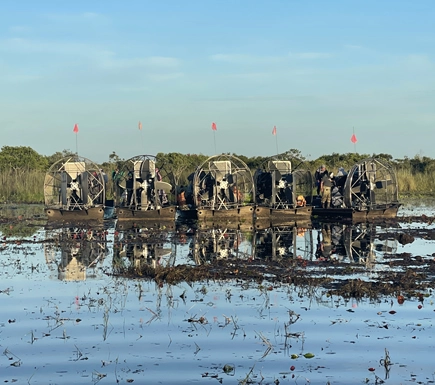
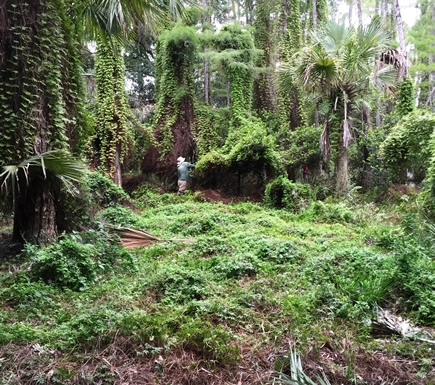
AVC offers customized aquatic vegetation control solutions for public and private waterways and wetlands, utilizing Integrated Pest Management (IPM) principles. Our licensed specialists focus on controlling invasive and nuisance plants while preserving water quality and ecological balance in diverse aquatic ecosystems. Invasive plants, which are non-native species, disrupt wetlands by outcompeting native vegetation, degrading water quality, harming fish and wildlife, and increasing flood risks by fostering pest and disease proliferation. We provide targeted aquatic and wetland vegetation control services in the following areas and more:
List of Serviceable Areas:
- Public and private lakes and waterways
- Golf course and private community waterways
- Drainage networks
- STAs and stormwater ponds
- Wetland Mitigation Sites
- Municipal Reservoirs and Water Supply Systems
- Irrigation Canals and Agricultural Waterways
- Coastal and Estuarine Wetlands
- Nature Preserves and Wildlife Refuges
- Recreational Ponds and Fisheries
- Industrial Retention Ponds
- Constructed Wetlands for Wastewater Treatment
- Flood Control Basins
- Marina and Harbor Waterways
- Aquatic Research Facilities
- Parks and Public Recreation Areas
- Hydroelectric Reservoirs and Dams
- Aquaculture Ponds
- Swamps and Marshes
- Urban Water Features
Detailed Service Options:
- Public and Private Lakes and Waterways: Managing invasive aquatic plants in natural and man-made lakes, rivers, and canals used for recreation, water supply, or aesthetic purposes.
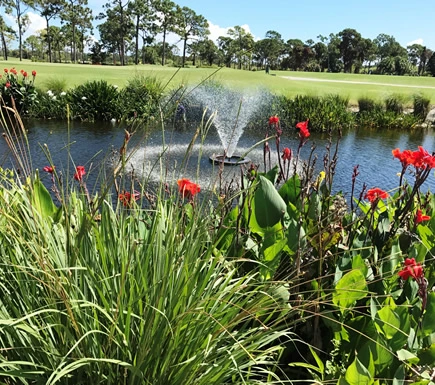
- Golf Course and Private Community Waterways: Maintaining clear and healthy water features in golf courses, residential communities, and private estates to enhance visual appeal and functionality.
- Drainage Networks: Controlling vegetation in ditches, culverts, and drainage channels to ensure proper water flow and prevent flooding in urban and rural settings.
- Stormwater Treatment Areas (STAs) and Stormwater Ponds: Managing plant overgrowth in engineered systems designed to treat runoff and improve water quality before it enters natural waterways.
- Wetland Mitigation Sites: Restoring and maintaining wetlands created or preserved to offset environmental impacts from development projects, ensuring compliance with regulatory standards.
- Municipal Reservoirs and Water Supply Systems: Controlling aquatic vegetation in reservoirs and water treatment facilities to maintain water quality and operational efficiency.
- Irrigation Canals and Agricultural Waterways: Clearing invasive plants from canals and ditches used for irrigation to support farming and prevent water loss.
- Coastal and Estuarine Wetlands: Managing vegetation in brackish and saline wetlands to protect critical habitats for wildlife and prevent ecosystem degradation.
- Nature Preserves and Wildlife Refuges: Controlling invasive species in protected areas to preserve biodiversity and support native flora and fauna.
- Recreational Ponds and Fisheries: Maintaining healthy aquatic environments in ponds used for fishing, boating, or other recreational activities to enhance user experience and ecological health.
- Industrial Retention Ponds: Managing vegetation in ponds associated with industrial facilities to ensure compliance with environmental regulations and maintain water quality.
- Constructed Wetlands for Wastewater Treatment: Controlling plant growth in engineered wetlands designed to treat municipal or industrial wastewater, optimizing treatment efficiency.
- Flood Control Basins: Clearing excessive vegetation in basins designed to manage floodwaters, ensuring unobstructed water flow and storage capacity.
- Marina and Harbor Waterways: Maintaining navigable and aesthetically pleasing water bodies in marinas and harbors by controlling nuisance aquatic plants.
- Aquatic Research Facilities: Supporting research institutions by managing vegetation in controlled aquatic environments used for ecological or scientific studies.
- Parks and Public Recreation Areas: Ensuring water features in public parks, such as ponds and streams, remain free of invasive plants for aesthetic and recreational purposes.
- Hydroelectric Reservoirs and Dams: Controlling aquatic vegetation in water bodies associated with hydroelectric infrastructure to maintain operational efficiency and water flow.
- Aquaculture Ponds: Managing plant growth in ponds used for fish or shrimp farming to optimize production and maintain water quality.
- Swamps and Marshes: Targeting invasive species in natural swamps and marshes to protect native ecosystems and prevent habitat loss.
- Urban Water Features: Maintaining fountains, ornamental ponds, and other decorative water bodies in cityscapes to enhance aesthetic appeal and functionality.
Methods of Control:
Mechanical Control Services:
- Aquatic Plant Harvesting: Utilizing specialized equipment to physically remove invasive and nuisance aquatic plants from wetlands and waterways.
- Hydro-raking: Deploying mechanical rakes to extract plant roots and debris from shallow wetland areas to prevent regrowth.
Chemical Control Services:
- Herbicide Application: Applying EPA-approved aquatic herbicides to target invasive species while minimizing impact on native plants and wildlife.
- Spot Treatment: Precise application of herbicides to control localized infestations of nuisance plants in sensitive wetland areas.
- Algae Control: Using algaecides to manage excessive algal growth that threatens water quality and ecosystem health.
Biological Control Services:
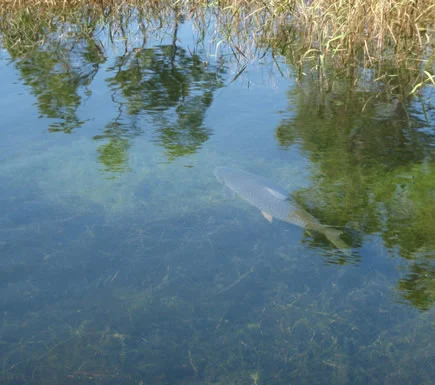
- Introduction of Natural Predators: Releasing species like grass carp and alligatorweed flea beetles to consume specific invasive aquatic plants, promoting natural balance.
- Bioaugmentation: Introducing beneficial microorganisms to enhance nutrient cycling and suppress nuisance plant growth in wetlands.
Cultural Control Services:
- Water Level Management: Adjusting water levels in wetlands to discourage the growth of invasive aquatic plants.
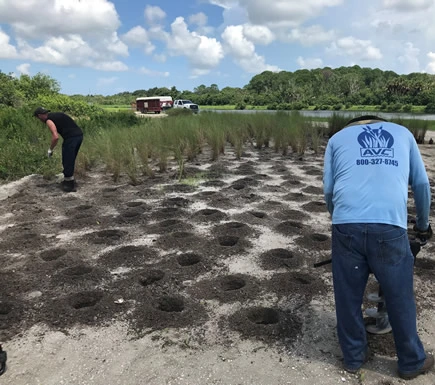
- Native Plant Restoration: Replanting native wetland species to outcompete invasive plants and restore ecological balance.
- Shading Techniques: Introducing dye to waterways to limit light interception through the water column and limit nuisance plant and algae growth