Holistic and Natural Management Services
AVC offers holistic and natural management services to cultivate resilient and stable ecosystems by addressing the interconnected dynamics of water, soil, vegetation, and wildlife. Our certified specialists employ sustainable, reduced herbicide-use practices, such as bioremediation for water quality enhancement, native plantings for ecosystem restoration, augmented bio-control agent releases, and direct mechanical and physical removal of invasive species to promote biodiversity and long-term ecological health. By managing invasive species, nutrient imbalances, and habitat degradation holistically, we ensure thriving environments with minimal chemical interventions. Our services, including professional consultation, native fish stocking and plant installations, nutrient budgeting, and organic sediment reduction, and more, and are applied across diverse natural areas, including:
List of Serviceable Areas:
- Public and Private Lakes and Ponds
- Wetlands and Marshes
- Rivers and Streambanks
- Grasslands and Prairies
- Forested Uplands and Woodlands
- Coastal and Estuarine Habitats
- Stormwater Retention Ponds
- Agricultural Fields and Pastures
- Wildlife Refuges and Conservation Areas
- Urban Green Spaces and Parks
- Recreational Water Bodies and Fisheries
- Golf Course and Community Water Features
- Constructed Wetlands
- Riparian Zones and Floodplains
- Rural and Urban Land Reserves
Description of Serviceable Areas:
- Public and Private Lakes and Ponds: Enhancing ecosystem stability through bioremediation, native fish stocking, mechanical invasive removal, and native plantings to improve water quality and biodiversity.
- Wetlands and Marshes: Restoring ecological balance with organic sediment reduction, native plant restoration, and physical invasive removal to foster resilient habitats.
- Rivers and Streambanks: Stabilizing banks with native vegetation, bioaugmentation, and mechanical invasive removal to enhance water quality and ecosystem connectivity.
- Grasslands and Prairies: Promoting resilient grasslands through native seeding and physical removal of invasives to support pollinators and biodiversity.
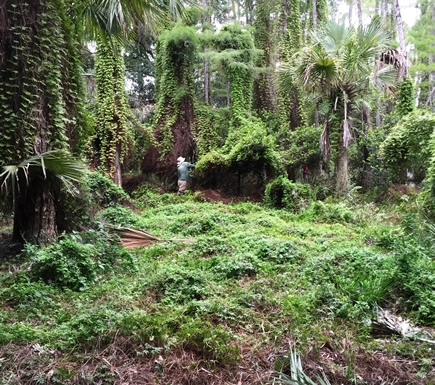
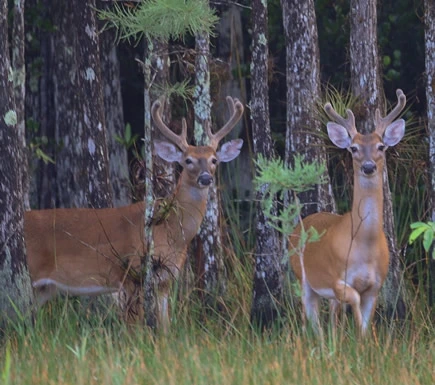
- Forested Uplands and Woodlands: Restoring forest ecosystems with native tree plantings and mechanical invasive management to enhance stability and wildlife habitats.
- Coastal and Estuarine Habitats: Supporting coastal resilience with native plant restoration, natural turbidity control, and physical invasive removal without chemicals.
- Stormwater Retention Ponds: Improving water quality and ecosystem health with bacterial nutrient removal, native plant buffers, and mechanical invasive control.
- Agricultural Fields and Pastures: Enhancing soil and ecosystem resilience through native plant integration, organic nutrient management, and physical invasive removal.
- Wildlife Refuges and Conservation Areas: Fostering stable habitats with grass carp stocking, native plantings, and mechanical invasive removal to support biodiversity.
- Urban Green Spaces and Parks: Restoring urban ecosystems with native plants and physical invasive management to enhance ecological resilience and public enjoyment.
- Recreational Water Bodies and Fisheries: Supporting balanced aquatic ecosystems with native fish stocking, bioremediation, and mechanical invasive removal.
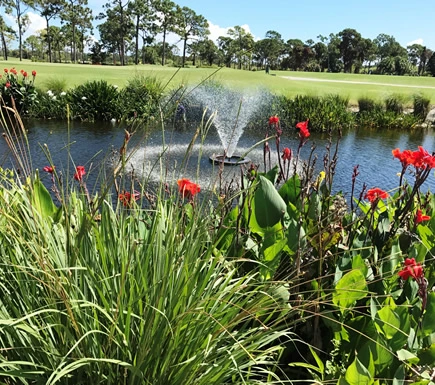
- Golf Course and Community Water Features: Maintaining natural ecosystem health with aeration systems, native plantings, and physical invasive control.
- Constructed Wetlands: Designing wetlands with native vegetation, bioaugmentation, and mechanical invasive removal to create self-sustaining ecosystems.
- Riparian Zones and Floodplains: Restoring ecosystem stability with native plants, organic sediment reduction, and physical invasive removal techniques.
- Rural and Urban Land Reserves: Promoting ecological stability with natural invasive management, native habitat restoration, and mechanical removal methods.
Detailed Service Options:
- Professional Consultation and Representation: Providing expert guidance to develop holistic, reduced herbicide-use management plans that integrate all ecosystem components for resilience.
- Water Quality and Sediment Monitoring: Assessing water and soil health naturally to inform strategies that enhance ecosystem stability and functionality.
- Bioremediation for Water Quality Enhancement: Using microorganisms to naturally remove excess nutrients, improving water quality and supporting aquatic ecosystem resilience.
- Bacterial and Enzymatic Nutrient Removal: Applying natural bacteria and enzymes to break down nutrients, preventing eutrophication and fostering stable water systems.
- Organic Sediment Reduction: Employing biological processes to reduce sediment buildup, enhancing water depth and ecosystem health without chemical use.
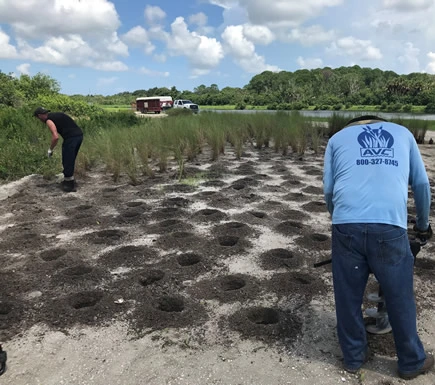
- Native Plant Installation: Planting native species to outcompete invasives, restore habitats, and strengthen ecosystem resilience and biodiversity.
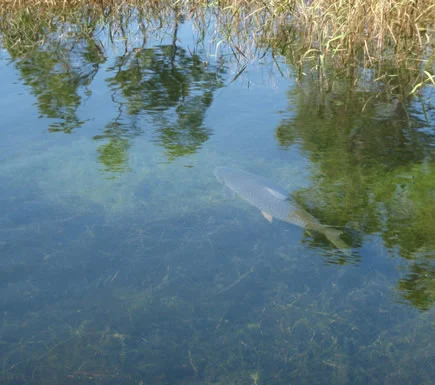
- Grass Carp Stocking: Introducing grass carp as a natural biological control to manage aquatic vegetation, supporting balanced aquatic ecosystems.
- Native Fish Stocking: Reintroducing native fish to enhance biodiversity and stabilize aquatic food webs for long-term ecosystem health.
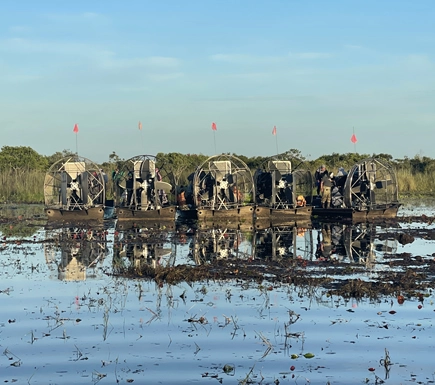
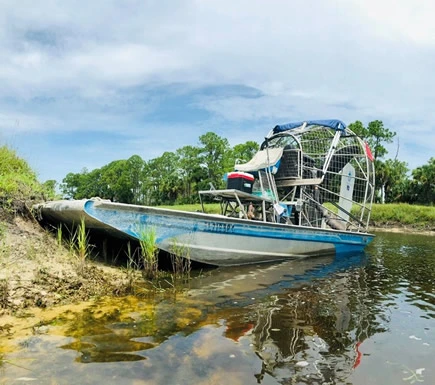
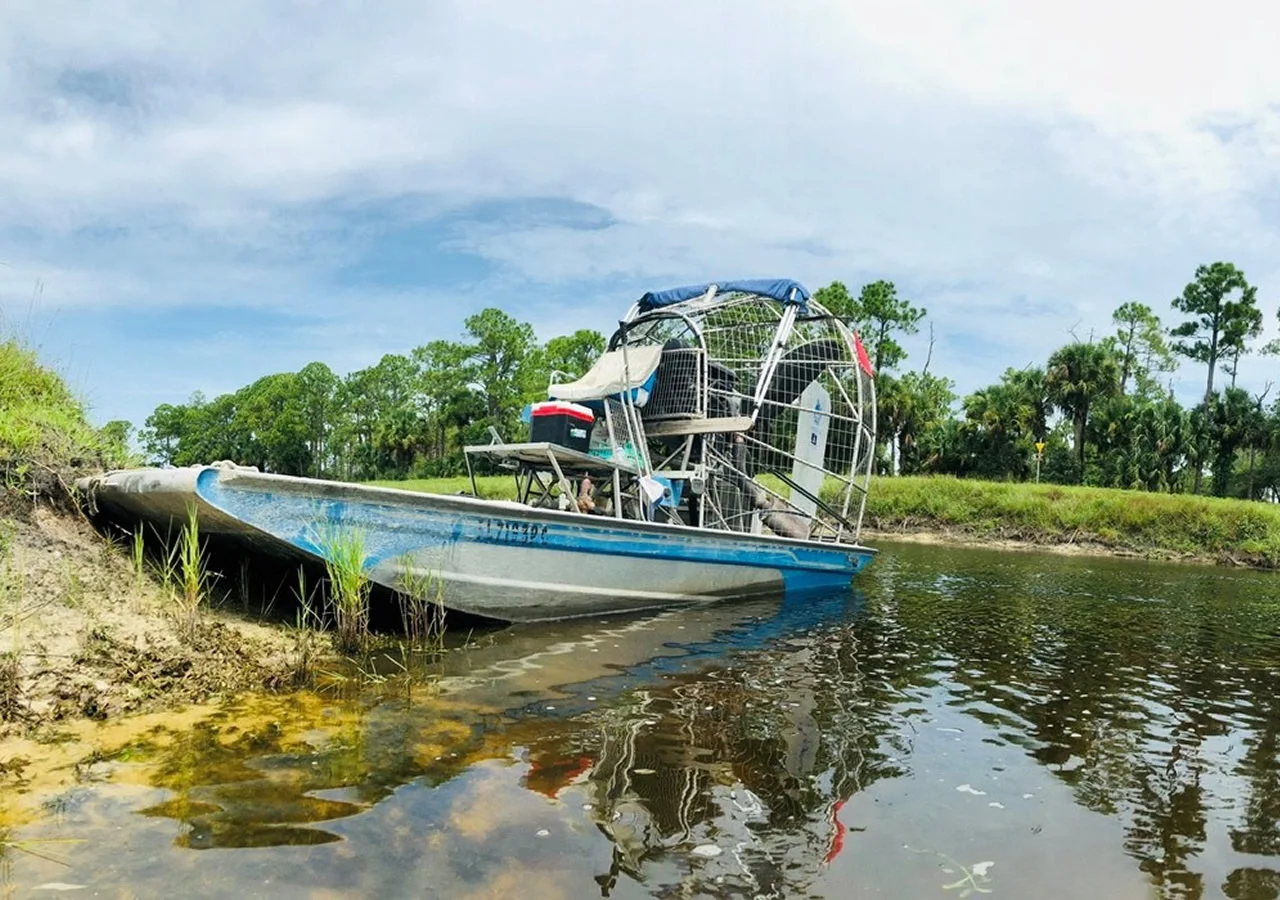
- Harvesting/Mechanical Removal of Nuisance Vegetation: Physically removing invasive plants using mechanical methods to restore natural ecosystems without herbicides.
- Turbidity Control: Using native plant buffers and biofiltration to naturally reduce suspended particles, improving water clarity and ecosystem stability.
- Bioaugmentation: Introducing beneficial microorganisms to enhance nutrient cycling and promote self-sustaining ecosystem processes in water and soil.
- Invasive Species Management: Controlling invasives through natural predators, mechanical and physical removal, and native plant competition to maintain ecosystem balance.
- Natural Invasive and Nuisance Plant Control: Utilizing dye to block light interception through the water column of waterways to limit algae growth, mulching of natural areas to prevent the emergence of new invasive and nuisance seedlings.
- Watershed Management Planning: Developing holistic, natural plans to protect watersheds using vegetative buffers, biofiltration, and native restoration for resilience.
- Wildlife Habitat Enhancement: Integrating native plants and biological controls with mechanical invasive removal to create stable, resilient habitats for wildlife.