Natural Areas Terrestrial Vegetation Control
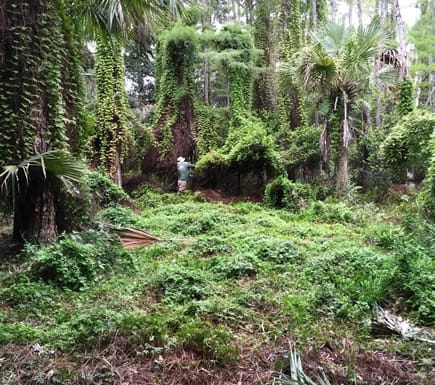
AVC offers expertly crafted solutions for managing invasive and nuisance vegetation in upland environments, guided by sustainable Integrated Pest Management (IPM) practices. Our dedicated team of certified specialists works to eliminate invasive and disruptive plants, promoting robust native habitats, improving land productivity, biodiversity, land usability, and ensuring environmental resilience of native ecosystems. Non-native species can overwhelm upland landscapes, disrupting soil health, reducing native plant diversity, and creating conditions that favor pests, ultimately threatening ecosystem stability, ecological health, and land functionality. We provide targeted and environmentally sensitive upland vegetation management services to control invasive and nuisance plants in a wide range of terrestrial environments, promoting ecological health and land usability, including to the following and more:
List of Serviceable Areas:
- Public and Private Properties and Parks
- Golf Courses and Country Clubs
- Residential Communities and HOAs
- Agricultural Fields and Pastures
- Forested Areas and Timberlands
- Conservation and Wildlife Management Areas
- Commercial and Industrial Properties
- Recreational Trails and Greenways
- Urban Green Spaces and Vacant Lots
- Restoration Sites and Reforestation Areas
- Military Bases and Training Grounds
- Cemeteries and Memorial Grounds
- School and University Campuses
- Sports Fields and Recreational Facilities
- Landfills and Reclaimed Sites
- Construction Sites and Future Development Areas
Detailed Service Options:
- Public and Private Properties and Parks: Controlling invasive plants in recreational properties and parks to maintain native landscapes, enhance aesthetics, and support safe public use.
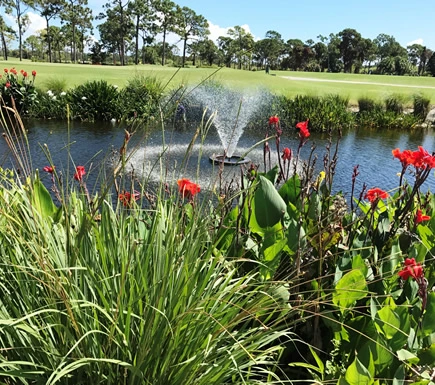
- Golf Courses and Country Clubs: Managing nuisance vegetation in fairways, roughs, and landscaped areas to ensure playable conditions and visual appeal.
- Residential Communities and HOAs: Clearing invasive species from common areas, green spaces, and private lots to enhance property value and community aesthetics.
- Agricultural Fields and Pastures: Targeting invasive plants that threaten crop production or grazing areas to support farming productivity and livestock health.
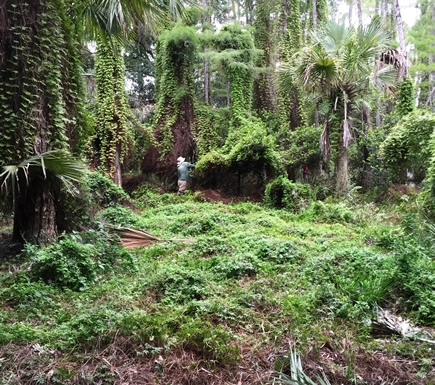
- Forested Areas and Timberlands: Controlling invasive species in forests to protect native tree species, promote biodiversity, and support sustainable timber management.
- Conservation and Wildlife Management Areas: Managing invasive vegetation in upland habitats to preserve native flora and fauna and maintain ecological balance.
- Commercial and Industrial Properties: Clearing nuisance plants from parking lots, landscaped areas, and undeveloped land to maintain aesthetics and comply with regulations.
- Recreational Trails and Greenways: Maintaining clear and safe pathways by managing invasive vegetation in hiking, biking, and equestrian trails.
- Urban Green Spaces and Vacant Lots: Controlling invasive plants in city parks, vacant lots, and urban forests to enhance usability and prevent pest habitats.
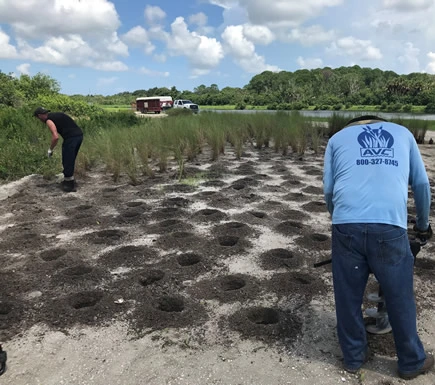
- Restoration Sites and Reforestation Areas: Managing invasive species to support the successful establishment of native plants in ecological restoration projects.
- Military Bases and Training Grounds: Clearing invasive vegetation to maintain open training areas and ensure operational readiness while protecting native ecosystems.
- Cemeteries and Memorial Grounds: Managing nuisance plants to preserve the aesthetic and historical integrity of landscaped burial sites.
- School and University Campuses: Controlling invasive vegetation in campus green spaces, athletic fields, and landscaped areas to enhance safety and aesthetics.
- Sports Fields and Recreational Facilities: Maintaining turf and surrounding areas free of invasive plants to ensure safe and functional spaces for sports and recreation.
- Orchards and Vineyards: Managing invasive weeds that compete with fruit trees or grapevines to optimize agricultural yield and quality.
- Landfills and Reclaimed Sites: Controlling invasive vegetation in reclaimed or capped landfill areas to stabilize soil and comply with environmental regulations.
- Construction Sites and Future Development Areas: Clearing invasive plants from land slated for development to prepare sites and prevent ecological disruption.