

AVC Blog
The Complete Guide to Invasive Species in Florida:
Protecting Our Waterways, Landscapes & Native Ecosystems
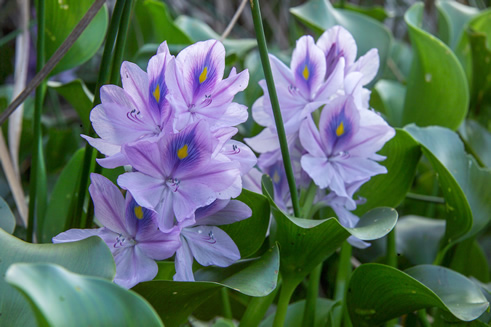
Every year, invasive species quietly reshape Florida's landscapes, waterways, wetlands, and natural habitats. While dramatic stories about Burmese pythons, giant African snails, or lionfish often capture national headlines, some of the state's most significant ecological threats are rooted much closer to the ground and beneath the water's surface.
Fish Stocking: A Natural Solution for Aquatic Vegetation Management in South Florida
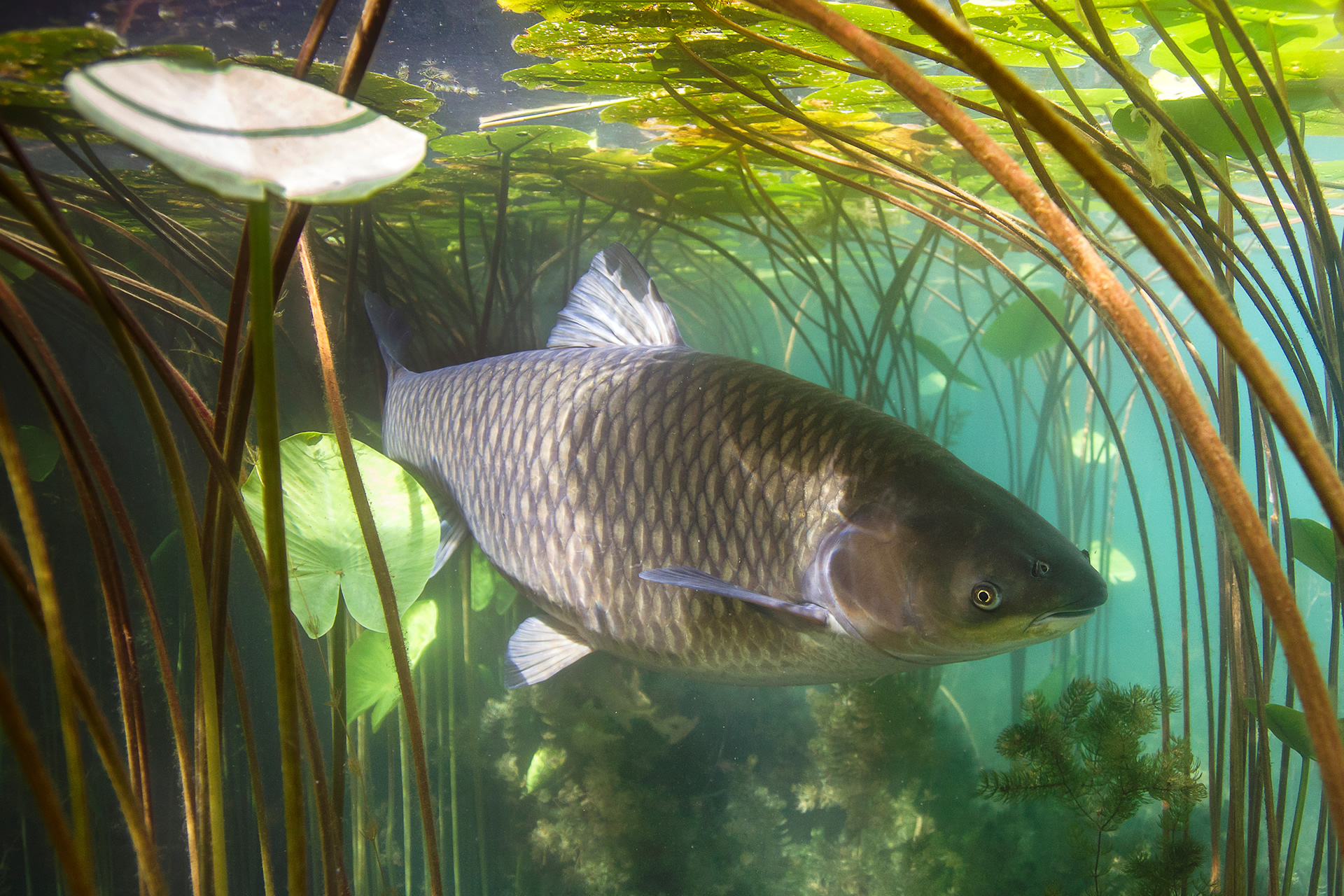
In South Florida, aquatic vegetation can grow rapidly year-round. Warm temperatures, nutrient-rich water, and frequent rainfall create ideal conditions for excessive plant and algae growth in ponds, lakes, canals, and stormwater systems.
Without proper management, these systems can quickly become overgrown, impacting water quality, circulation, appearance, and overall ecosystem balance.
Rooted in Stewardship: How AVC is Leading the Future of Environmental Services
This year marks four decades of Aquatic Vegetation Control (AVC) delivering science-based and across Florida, helping protect waterways, wetlands, and natural ecosystems through sustainable, long-term solutions. For 40 years, Aquatic Vegetation Control (AVC) has played a quiet but essential role in protecting waterways, wetlands, and natural ecosystems through sustainable, long-term solutions. What began in 1986 as a small family-owned vegetation management company has grown into a trusted environmental services leader guided by science, experience, and a deep sense of responsibility to the communities and ecosystems it serves.
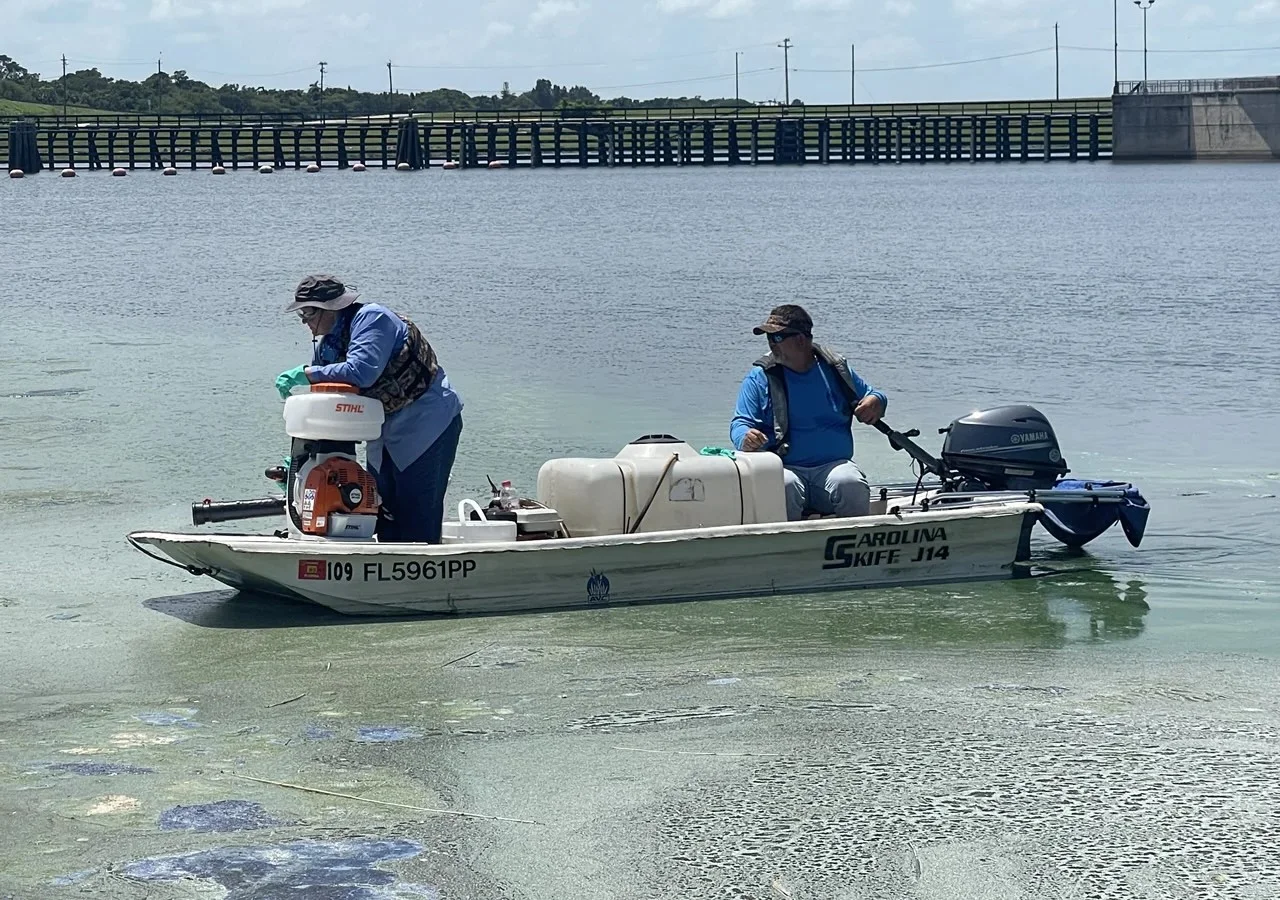
Aquatic Vegetation Control Has Joined Battle Against Blue-Green Algae
Florida’s water bodies are part of our stunning landscape and should be filled with vibrant aquatic life. However, our unique environmental conditions, including warm water and nutrient-rich runoff, have led to the rise of harmful algae blooms (HABs) and blue-green algae all over the news. These blooms are not only unsightly, but they can also pose significant risks to the ecosystem and human health.


